Children constitute a unique patient group; due to limited self-control and an inability to cooperate during surgery, general anesthesia is the most commonly used method. Pediatric anesthesia can be a source of anxiety for parents, who often harbor fears and concerns about the procedure. However, a proper understanding of anesthesia can alleviate this apprehension. Let us discuss pediatric general anesthesia below.
1. Preoperative Assessment
This is a crucial step for ensuring anesthesia safety. Before the procedure, the anesthesiologist evaluates the child, focusing on their current and past health status—including respiratory issues such as asthma or snoring. Studies indicate that children with active or recent upper respiratory tract infections face an increased risk of perioperative respiratory complications when undergoing general anesthesia, primarily due to airway hyper-reactivity. Consequently, we recommend postponing non-emergency surgeries for children with such infections.
Another critical issue is preoperative fasting (abstaining from food and drink). Regurgitation and aspiration are among the most dangerous complications of anesthesia; aspiration can lead to chemical pneumonitis, airway obstruction, and atelectasis—events that are considered catastrophic. Anesthesiologists therefore emphasize these fasting instructions repeatedly. The 2023 American Society of Anesthesiologists (ASA) guidelines on preoperative fasting updated the 2017 version, though the fundamental principles remain unchanged.
2. Administration of Anesthesia
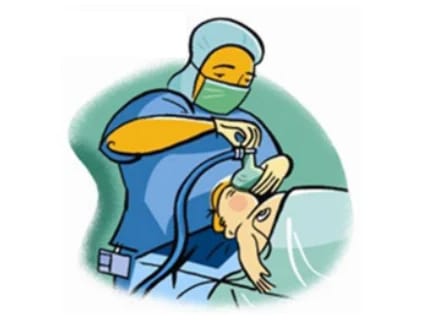
The anesthesiologist places an oxygen mask over the child’s nose and mouth to administer oxygen. Anesthetic agents are typically delivered via inhalation, intravenous injection, or intramuscular injection. Once the medication takes effect, the child falls asleep, loses the sensation of pain, and their muscles relax (parents need not worry about these effects, as they resolve after surgery). Depending on the type and duration of the surgery, the anesthesiologist will choose between tracheal intubation and the insertion of a laryngeal mask airway.
Throughout the procedure, the medical team closely monitors the child’s breathing, heart rate and rhythm, body temperature, blood pressure, and blood oxygen levels to ensure their safety. The surgery is performed while the child is asleep.
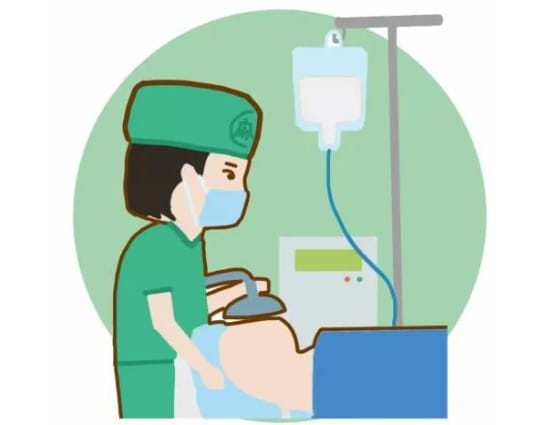
3. Anesthesia Recovery. After surgery, the child cannot be immediately returned to the ward; instead, they must undergo recovery from anesthesia in the operating room. This process involves ensuring the child regains stable spontaneous breathing and, for those who were intubated, removing the tracheal tube. Close monitoring continues after extubation, and the child is transferred back to the ward—accompanied by an anesthesiologist and an operating room nurse—only after regaining consciousness and meeting the criteria for discharge from the operating room. Regarding general anesthesia, a study published in the journal *Anesthesiology* in 2018 found no significant difference in overall intelligence scores among children under the age of three based on whether or not they had undergone general anesthesia; there was no difference between children who had undergone multiple sessions of general anesthesia and those who had never experienced it. Overall, general anesthesia is a common and safe method for children; it helps minimize behavioral developmental disorders and psychological issues caused by trauma, and it enables precise surgical procedures to be completed quickly in a calm environment. Therefore, parents need not be overly concerned about the use of general anesthesia.